
How Much Does It Cost to Open a Restaurant? A Startup Budget You Can Actually Use
Opening a restaurant costs more than the equipment, construction, and furniture you see when you walk through the finished dining room. The real budget includes everything required to get the space ready, open the doors, survive the first weeks of uneven sales, and pay bills before the restaurant finds its rhythm.
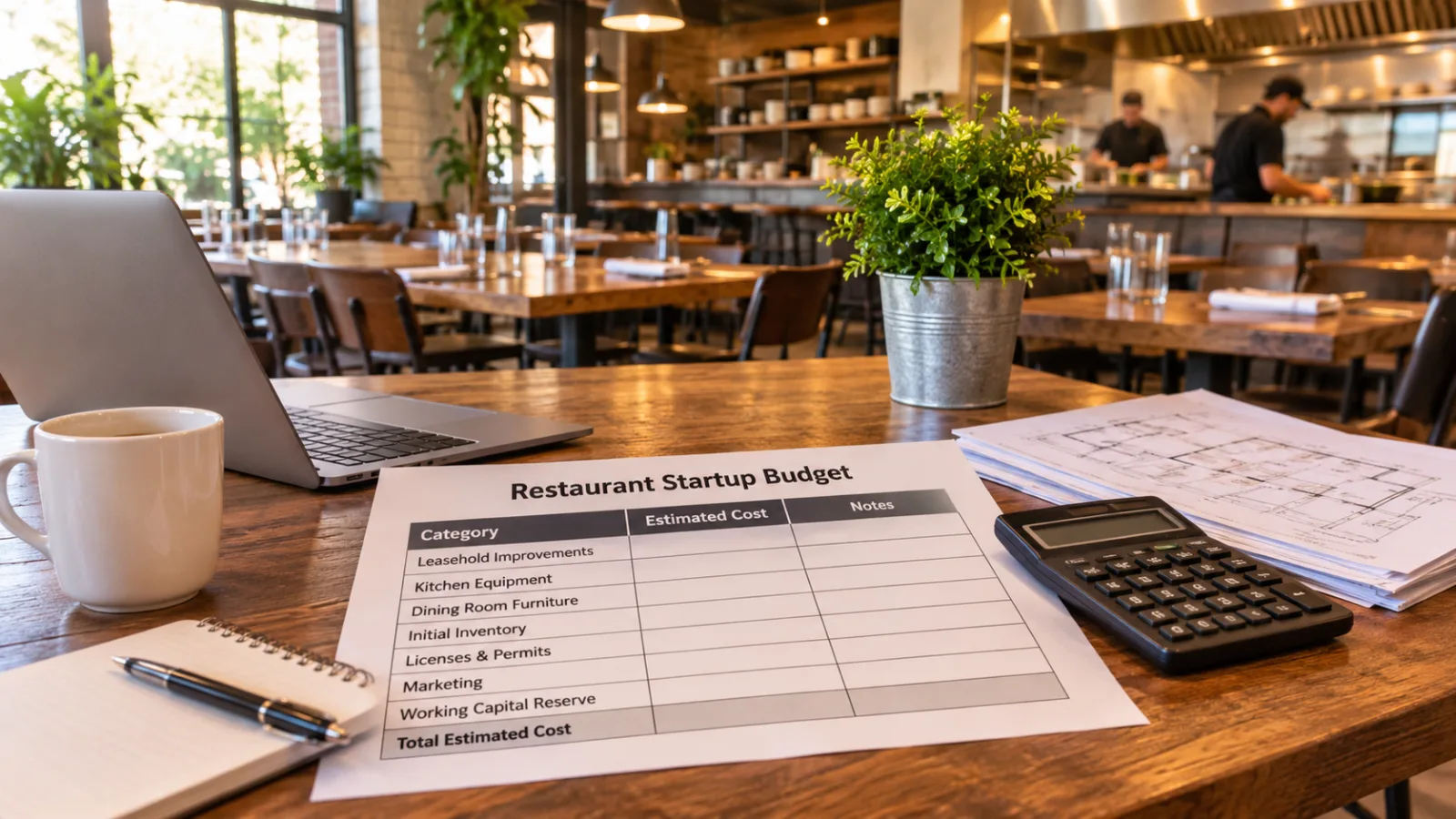
Instead of relying on national averages that may have little to do with your concept, build your budget line by line using actual quotes, your lease, your menu, your local requirements, and the cash you need to keep operating after opening.
Start with the restaurant you are actually opening
A 35-seat neighborhood café, a 100-seat full-service restaurant, a takeout operation, and a restaurant built inside an existing commercial kitchen have completely different startup budgets.
Before asking contractors for estimates, write down the operating model. Otherwise, you will collect quotes for a restaurant you haven't defined yet.
Fill in these assumptions first:
| Planning assumption | Your estimate |
|---|---|
| Restaurant concept | __________ |
| Location / city | __________ |
| Total square footage | __________ |
| Dining seats | __________ |
| Service style | __________ |
| Operating days per week | __________ |
| Planned opening date | __________ |
| Expected average check | $__________ |
| Number of employees at opening | __________ |
| Hours of operation | __________ |
| Existing restaurant space or new build | __________ |
| Alcohol service planned? | Yes / No |
| Delivery and pickup planned? | Yes / No |
The last two answers can materially change your startup costs. Alcohol service may require additional licensing, equipment, inventory, and insurance. Pickup and delivery require packaging, order handling, storage, and a workflow that doesn't interfere with dine-in service.
Your concept determines your budget. Get these assumptions settled before comparing properties.
Build the budget in the order money leaves your bank account
Startup costs don't arrive neatly in one month. A landlord may want a deposit before your contractor starts, equipment vendors may require deposits before delivery, and payroll begins before the first paying customer walks in.
Organize the budget into these categories.
1. Lease, deposits, and property costs
The space itself can consume cash before you make a single improvement.
Include:
- Security deposit
- First month's rent
- Additional rent, CAM, or property expenses required by the lease
- Lease attorney fees
- Broker fees, if applicable
- Utility deposits
- Temporary storage during construction
- Rent during permitting, construction, and setup
- Any required guarantee-related expenses
Budget for the actual lease terms, not just the advertised monthly rent.
Ask the landlord when rent begins, whether there is a build-out period, what improvements are your responsibility, and who pays for repairs to existing HVAC, plumbing, electrical systems, or roof-related problems.
| Lease expense | Estimated cost |
|---|---|
| Security deposit | $__________ |
| First month's rent | $__________ |
| Additional rent / CAM deposits | $__________ |
| Legal and lease review | $__________ |
| Utility deposits | $__________ |
| Rent during setup | $__________ |
| Other property costs | $__________ |
| Subtotal | $__________ |
2. Construction, renovation, and code work
This is where first-time owners frequently underestimate. A space that looks ready for a restaurant may not be ready for your restaurant.
Include:
- Demolition and disposal
- Walls, ceilings, flooring, and painting
- Plumbing and drainage
- Electrical upgrades and new circuits
- HVAC modifications
- Hood, ventilation, and fire suppression work
- Grease interceptor requirements
- Restroom modifications
- Accessibility improvements
- Fire alarms and life-safety work
- Signage installation
- Architect, engineer, and contractor fees
- Inspections and corrections
- Construction contingency
Get a detailed scope of work. "Renovate kitchen" is not a useful estimate. "Install three-compartment sink, relocate floor drain, add dedicated circuit, and modify hood" is much easier to price and verify.
Ask contractors to identify exclusions in writing. A low bid may leave out permits, electrical connections, patching, disposal, equipment installation, or final inspections.
| Construction expense | Estimated cost |
|---|---|
| Demolition | $__________ |
| General construction | $__________ |
| Plumbing | $__________ |
| Electrical | $__________ |
| HVAC | $__________ |
| Hood and fire suppression | $__________ |
| Flooring and finishes | $__________ |
| Restrooms / accessibility | $__________ |
| Architect / engineer | $__________ |
| Permits / inspections | $__________ |
| Contractor contingency | $__________ |
| Subtotal | $__________ |
3. Kitchen equipment and installation
Equipment decisions should follow your menu and production plan. Buying a large range because it looks impressive is a poor substitute for knowing what the kitchen needs to produce during a Friday dinner rush.
List every major piece of equipment, including installation and accessories.
| Equipment | Qty. | Cost per unit | Installation / extras | Total |
|---|---|---|---|---|
| Range / cooktop | ___ | $___ | $___ | $___ |
| Oven | ___ | $___ | $___ | $___ |
| Fryer | ___ | $___ | $___ | $___ |
| Grill / griddle | ___ | $___ | $___ | $___ |
| Refrigeration | ___ | $___ | $___ | $___ |
| Freezer | ___ | $___ | $___ | $___ |
| Ice machine | ___ | $___ | $___ | $___ |
| Dishwasher | ___ | $___ | $___ | $___ |
| Prep tables | ___ | $___ | $___ | $___ |
| Sinks | ___ | $___ | $___ | $___ |
| Smallwares | ___ | $___ | $___ | $___ |
| Shelving / storage | ___ | $___ | $___ | $___ |
| Other | ___ | $___ | $___ | $___ |
| Subtotal | $__________ |
Don't forget delivery, freight, rigging, installation, connections, warranties, filters, water treatment, and the small items that make the large equipment usable.
A used piece of equipment can reduce upfront spending, but inspect its condition, confirm service availability, check its dimensions and utilities, and understand whether it needs repairs before opening.
4. Dining room, furniture, and guest-facing details
Your dining room budget should be based on the seating layout, not a furniture catalog.
Include:
- Tables and chairs
- Bar stools and bar furniture
- Booths
- Outdoor furniture, if applicable
- Lighting
- Décor
- Dishware, glassware, and flatware
- Linens
- Menu printing
- Host stand
- Storage
- Trash and recycling stations
| Dining room expense | Estimated cost |
|---|---|
| Tables and chairs | $__________ |
| Booths / bar seating | $__________ |
| Lighting and décor | $__________ |
| Dishware and glassware | $__________ |
| Flatware and service tools | $__________ |
| Host stand and storage | $__________ |
| Outdoor seating | $__________ |
| Other | $__________ |
| Subtotal | $__________ |
Buy for the service you intend to run. If your restaurant turns tables quickly, durable furniture and enough service pieces to support the pace matter more than decorative extras.
5. Licenses, professional services, and opening paperwork
Requirements vary by state, county, and city. Confirm your specific requirements with the relevant authorities and qualified professionals before committing to a timeline.
Potential expenses include:
- Business formation and registration
- Food establishment permits
- Building and occupancy approvals
- Health inspections
- Fire inspections
- Alcohol licenses, if applicable
- Sign permits
- Professional legal services
- Accounting and bookkeeping setup
- Insurance policies and deposits
- Required training or certifications
- Music or other applicable operating licenses
Don't treat permit costs as a single line item with a guessed number. List each requirement, the responsible agency, the expected fee, and the approval date that could affect your opening.
| Approval / professional expense | Estimated cost |
|---|---|
| Business registration | $__________ |
| Food permits | $__________ |
| Building / occupancy approvals | $__________ |
| Fire approvals | $__________ |
| Alcohol licensing | $__________ |
| Legal fees | $__________ |
| Accounting setup | $__________ |
| Insurance deposits | $__________ |
| Training / certification | $__________ |
| Other | $__________ |
| Subtotal | $__________ |
6. Technology, communications, and operating tools
Technology is easy to overlook because the individual purchases appear small compared with construction. Collectively, they can become a significant opening expense.
List the hardware and setup needed to operate:
- Order entry and payment devices
- Kitchen display screens or printers
- Internet service and network equipment
- Wi-Fi access points
- Employee timekeeping equipment
- Scheduling and operating systems
- Phones
- Security cameras
- Cash drawers
- Backup equipment
- Online ordering setup
Write down which pieces are required on day one and which can wait. Avoid buying devices without confirming where they'll be mounted, how they connect, who uses them, and what happens when a device fails during service.
7. Initial inventory, packaging, and cleaning supplies
The restaurant needs enough stock to open and replenish it before the first supplier payment comes due.
Separate the initial order into:
| Inventory category | Estimated cost |
|---|---|
| Food ingredients | $__________ |
| Beverage inventory | $__________ |
| Alcohol, if applicable | $__________ |
| Paper and takeout packaging | $__________ |
| Cleaning chemicals | $__________ |
| Gloves and sanitation supplies | $__________ |
| Dry storage basics | $__________ |
| Other opening consumables | $__________ |
| Subtotal | $__________ |
The first inventory order should be based on your menu, storage capacity, expected sales, delivery schedule, and shelf life. Buying too much perishables before demand is established ties up cash and increases waste.
8. Hiring, training, and pre-opening payroll
Your employees will need to be hired and trained before you have a full sales week.
Budget for:
- Recruiting and hiring expenses
- Manager salaries before opening
- Training shifts
- Kitchen practice and menu testing
- Mock services
- Payroll taxes and applicable employer costs
- Uniforms
- Employee meals during training
- Any required onboarding or training expenses
Make a calendar of every paid shift before opening. A two-week training schedule for a full team can create a substantial payroll commitment while revenue is still zero.
Confirm payroll, wage, overtime, tip, and other employment requirements with the appropriate state or local authorities and a qualified payroll professional.
9. Marketing, opening week, and launch expenses
The goal is not to spend money making opening night look busy. The goal is to make nearby customers aware that you exist and give them a reason to return.
Budget for:
- Exterior signs
- Photography
- Website and menu
- Printed materials
- Local outreach
- Opening events
- Staff uniforms
- Menu testing
- Promotional materials
- Community partnerships
- Launch-related expenses
Keep launch spending separate from your ongoing marketing budget. A one-time opening event should not be confused with a recurring expense you need to fund every month.
Calculate the cash reserve that keeps you alive after opening
A restaurant can be fully built, fully staffed, stocked, and still run out of money. The missing line is working capital: cash available to pay expenses while sales ramp up, invoices come due, and the business finds its normal rhythm.
Do not confuse the reserve with a construction contingency. A construction contingency covers unexpected project costs. Working capital covers operating losses, timing gaps, and cash demands after opening.
Build your reserve around actual expected cash outflows:
- Rent and occupancy costs
- Payroll and payroll-related expenses
- Food and beverage replenishment
- Utilities
- Insurance
- Loan payments
- Repairs and maintenance
- Marketing
- Taxes and other scheduled obligations
- Supplier payment timing
- Delayed sales or a slower-than-planned ramp
Start with a cash-flow forecast by week, not just a monthly profit-and-loss statement. A restaurant may look profitable on paper and still struggle if payroll is due before customer payments or if supplier terms are shorter than expected.
| Reserve calculation | Your estimate |
|---|---|
| Monthly fixed operating expenses | $__________ |
| Expected monthly variable expenses at planned sales | $__________ |
| Monthly debt payments | $__________ |
| Monthly cash requirement | $__________ |
| Number of reserve months planned | __________ |
| Operating reserve | $__________ |
| Extra cash for timing gaps | $__________ |
| Total reserve | $__________ |
Your reserve period should reflect your concept, lease obligations, seasonality, financing, and realistic sales ramp. There is no single reserve number that fits every restaurant.
Add the costs that don't fit neatly into a contractor's quote
These are the expenses that owners often remember only after they've spent most of their startup capital.
Consider the following:
- Equipment repairs discovered during installation
- Replacing items that don't fit the space
- Additional electrical outlets or plumbing connections
- Smallwares purchased in multiple rounds
- Last-minute menu changes
- Food waste during recipe testing
- Delayed inspections
- Additional rent because construction runs late
- Extra training shifts
- Supplier minimum orders
- Missing storage
- Cash register shortages or payment-processing setup issues
- Unexpected professional fees
- A broken refrigerator during the first month
- Additional cleaning after construction
- Replacement uniforms
- A second round of printing
Create a separate line called opening surprises. Do not use it as a vague excuse to spend. Every withdrawal should have a reason recorded so you can learn which estimates were wrong.

Work through a hypothetical restaurant budget in dollars
The following example is entirely hypothetical. It represents a fictional independent, 50-seat neighborhood restaurant opening in an existing commercial space that still needs renovation. These are illustrative figures only, not national averages, quotes, or a recommended budget for any particular city.
| Startup category | Hypothetical amount |
|---|---|
| Lease deposits and rent during setup | $18,000 |
| Construction and renovation | $85,000 |
| Kitchen equipment and installation | $42,000 |
| Dining room furniture and fixtures | $17,000 |
| Licenses, professional fees, and insurance deposits | $9,000 |
| Technology and communications setup | $5,000 |
| Initial inventory and consumables | $8,000 |
| Hiring, training, and pre-opening payroll | $12,000 |
| Marketing and opening expenses | $4,000 |
| Construction contingency | $12,000 |
| Subtotal before working capital | $212,000 |
| Working capital reserve | $60,000 |
| Additional cash buffer for timing gaps | $8,000 |
| Total hypothetical startup cash required | $280,000 |
The arithmetic is:
$18,000 + $85,000 + $42,000 + $17,000 + $9,000 + $5,000 + $8,000 + $12,000 + $4,000 + $12,000 = $212,000 before reserves.
Then:
$212,000 + $60,000 + $8,000 = $280,000 total hypothetical funding requirement.
In this example, the owner needs to plan for $280,000 in total cash commitments, not simply the $85,000 construction estimate or the $212,000 project subtotal.
The next question is how much of that cash is already available and how much needs financing.
| Funding source | Hypothetical amount |
|---|---|
| Owner cash | $100,000 |
| Investor capital | $50,000 |
| Loan funding | $130,000 |
| Total available funding | $280,000 |
This example assumes all funding is available when required. In a real project, loan draws, investor timing, reimbursement arrangements, and vendor deposits may not align with your schedule. Build a cash timing plan in addition to the total budget.
Find the expenses that could change your opening date
Your budget is also a timeline. Every cost that depends on another approval or delivery should have a date attached to it.
A simple way to catch schedule problems is to create a dependency list:
| Item | Depends on | Deadline | What happens if late? |
|---|---|---|---|
| Hood installation | Contractor and equipment delivery | __________ | Kitchen cannot operate |
| Final inspection | Completed construction | __________ | Opening delayed |
| Refrigeration | Delivery and installation | __________ | Food storage limited |
| Staff training | Equipment operational | __________ | Training incomplete |
| Initial food order | Menu and supplier accounts | __________ | Practice and opening stock delayed |
| Signage | Permit and fabrication | __________ | Visibility affected |
Don't assume every vendor's opening date is reliable. Ask for a confirmed delivery date, the required site conditions, and what happens if delivery is delayed.
A restaurant that misses opening by two weeks doesn't only lose two weeks of sales. It may also incur rent, payroll, utilities, loan payments, storage, and additional contractor expenses.
Use three practical budget tests before committing
These are three exercises you can do this week to make the budget more realistic.
Test 1: Get a second quote on your five largest expenses
Take your five biggest budget lines, often construction, equipment, rent-related commitments, furniture, or professional services, and request another quote or independent review.
Compare the scope, not just the total. One quote may exclude installation, freight, permits, or required connections. A cheaper quote isn't cheaper if you must pay another vendor to finish the job.
Test 2: Walk the property with a working kitchen checklist
Visit the property when you can inspect it carefully. Trace the workflow from receiving to storage, prep, cooking, plating, dishwashing, and trash removal.
Write down every physical problem that could become a cost:
- Doorways that equipment cannot pass through
- Inadequate refrigeration capacity
- No convenient handwashing sink
- Poor drainage
- Insufficient outlets
- Limited dry storage
- Bottlenecks around the dish station
- A delivery path that crosses the dining room
- An awkward employee restroom or changing arrangement
Photographs and measurements are more useful than relying on memory. Send this list to your contractor and equipment supplier before finalizing the scope.
Test 3: Simulate a delayed opening
Take your planned opening date and move it forward by two weeks in your cash-flow forecast as a hypothetical stress test.
Add the rent, payroll, utilities, insurance, storage, loan payments, and any other cash obligations that would continue during the delay. Then ask: Can the restaurant pay those bills without touching money intended for food orders, payroll after opening, or required payments?
If the answer is no, adjust the reserve, negotiate timing where possible, or reconsider the project scope before signing additional commitments.
Keep the budget sheet updated as quotes become commitments
A startup budget is not a document you finish once. It becomes your control sheet throughout the build-out.
Use three columns for each item:
- Estimated: what you expect to spend.
- Committed: what you've agreed to pay.
- Paid: what has actually left your bank account.
Add a fourth column for the remaining amount. This makes it easier to catch cost overruns before they turn into a funding problem.
Ready-to-copy restaurant startup budget tracker
Copy this template into a spreadsheet and fill in the blanks.
| Category | Estimated | Committed | Paid | Remaining / variance |
|---|---|---|---|---|
| Lease and deposits | $___ | $___ | $___ | $___ |
| Construction | $___ | $___ | $___ | $___ |
| Kitchen equipment | $___ | $___ | $___ | $___ |
| Furniture and fixtures | $___ | $___ | $___ | $___ |
| Licenses and professional fees | $___ | $___ | $___ | $___ |
| Technology | $___ | $___ | $___ | $___ |
| Initial inventory | $___ | $___ | $___ | $___ |
| Pre-opening payroll | $___ | $___ | $___ | $___ |
| Marketing | $___ | $___ | $___ | $___ |
| Contingency | $___ | $___ | $___ | $___ |
| Working capital | $___ | $___ | $___ | $___ |
| Other / unexpected | $___ | $___ | $___ | $___ |
| Total | $___ | $___ | $___ | $___ |
Add a notes column for vendor, quote date, payment terms, delivery date, and whether the expense is required before opening.
Update the tracker every week during construction. Review it with whoever controls spending. If an expense moves from estimated to committed, make sure you don't accidentally count it twice.
Use operational numbers to decide what you can afford
The cheapest restaurant to open isn't necessarily the cheapest restaurant to operate. A poorly designed kitchen may require more employees, create food waste, slow service, and make it harder to execute your menu consistently.
Before reducing your startup budget, ask how each cut affects operations:
- Can fewer menu items reduce equipment and inventory requirements?
- Can a simpler prep plan reduce labor before opening?
- Can the dining room open with fewer seats and expand later?
- Can you postpone decorative upgrades without affecting customer experience?
- Can a smaller menu use existing equipment more efficiently?
- Does buying used equipment create a repair risk that needs its own cash allowance?
- Can you negotiate a longer build-out period or staged lease obligations?
A good budget protects the restaurant's ability to serve customers. Cutting the wrong expense can create a recurring problem that costs more every month than the original purchase would have.
Choose operating tools that support the workflow you budgeted for
The systems you choose should fit your service model and your opening operation rather than force you to redesign the workflow after spending money on equipment.
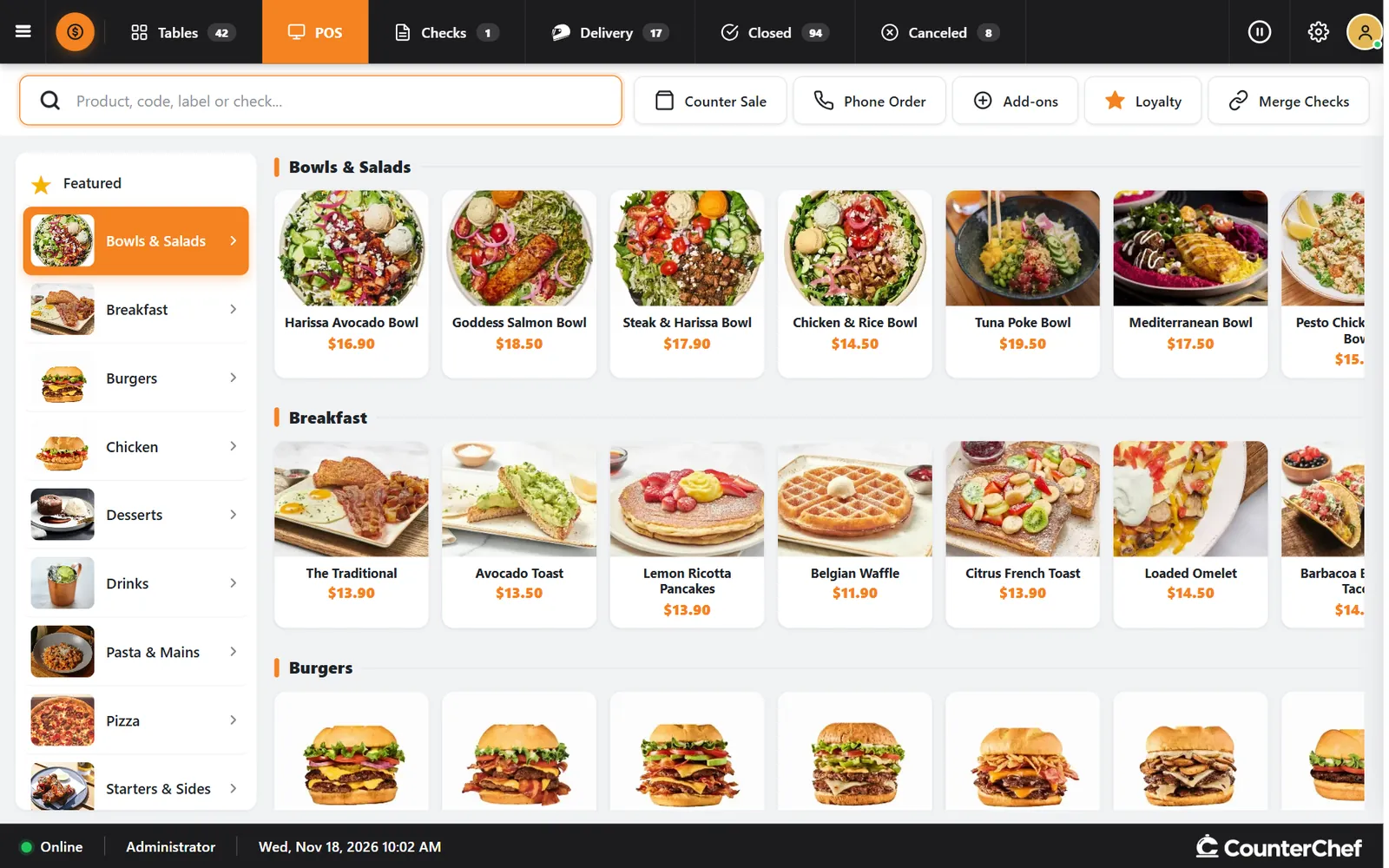
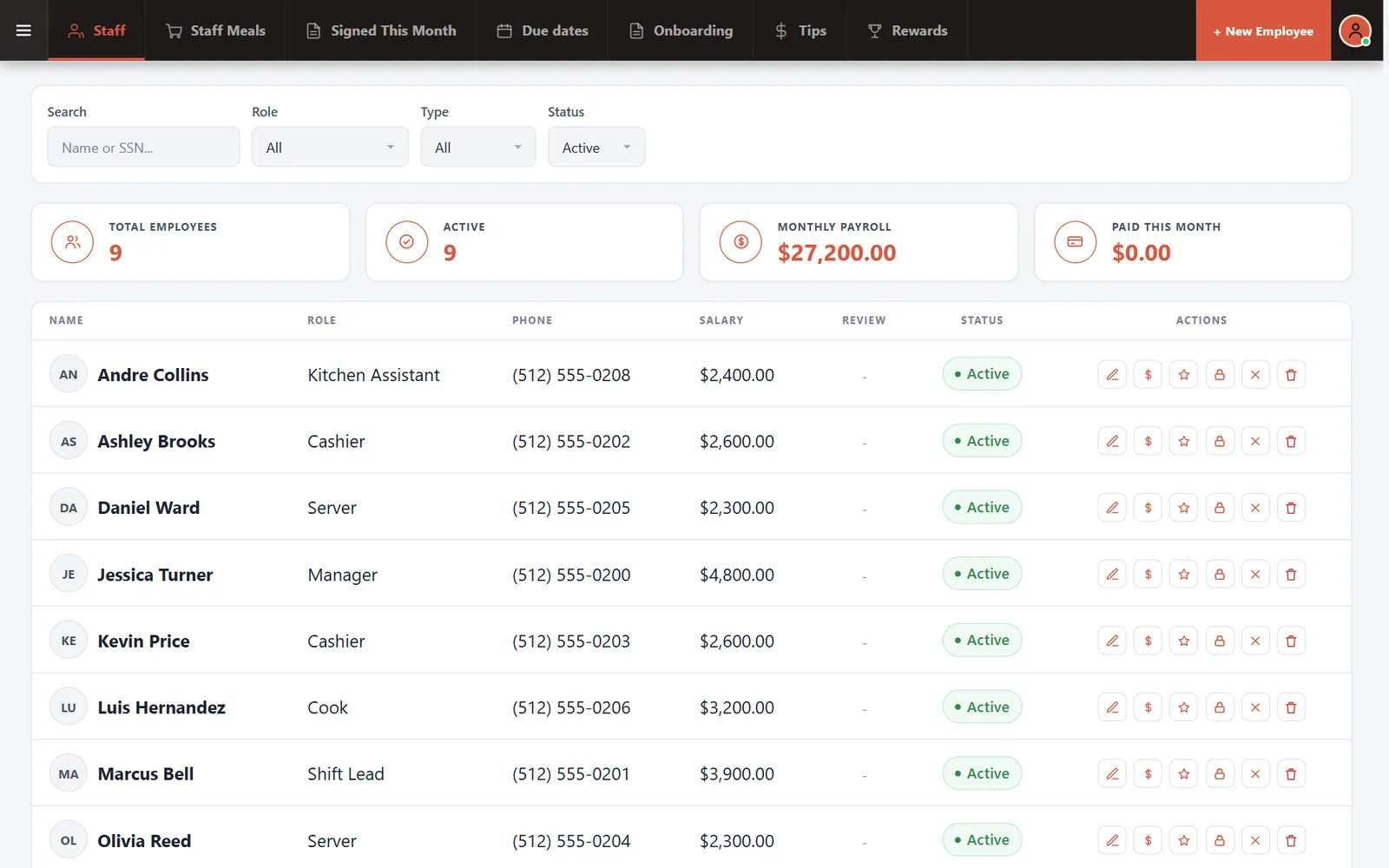
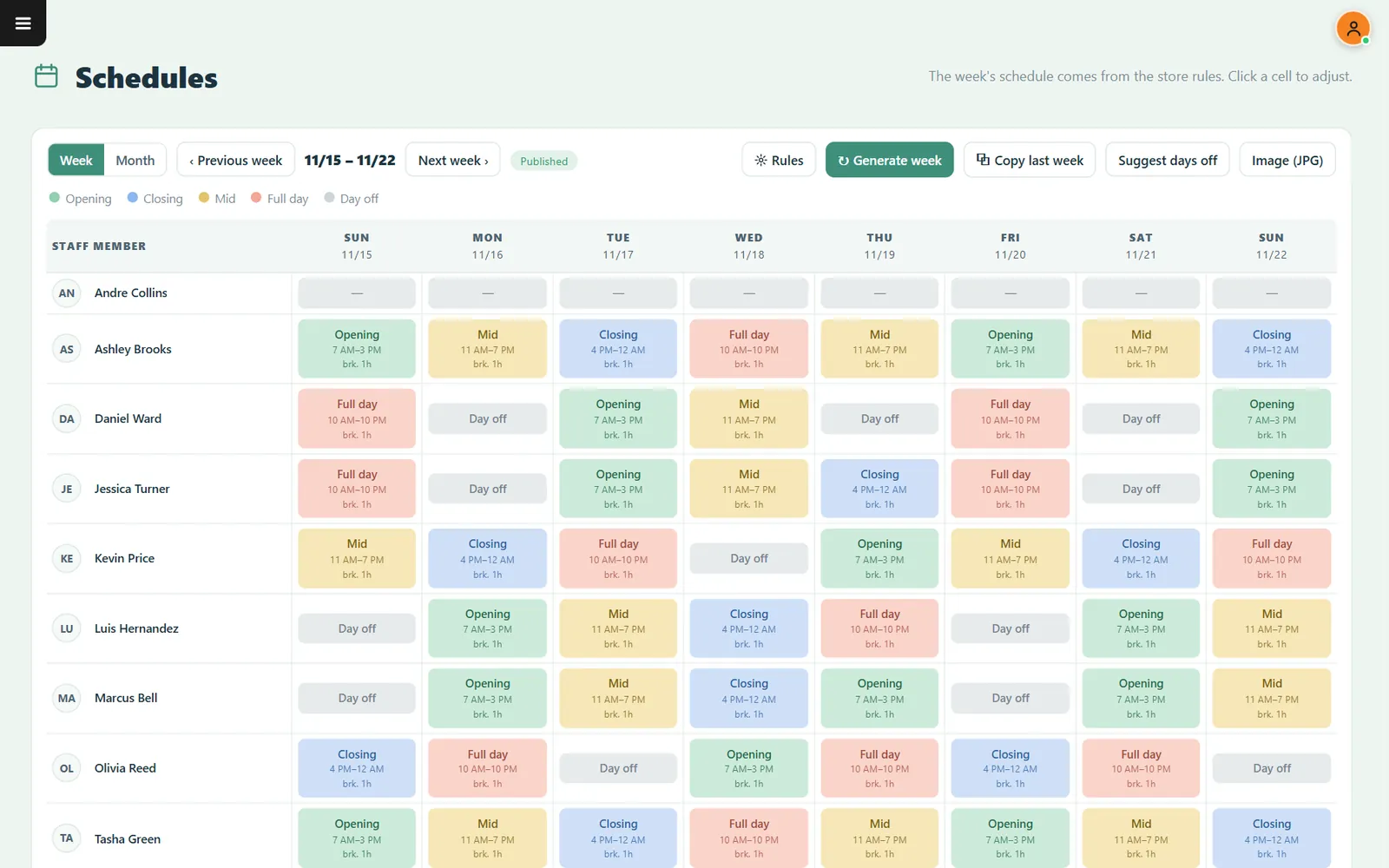
CounterChef runs on iPad, Android tablet, iPhone, and computer. It includes your own online menu for pickup and delivery with ZIP-code delivery areas, each with its own fee and estimated time; a kitchen display with ticket timers; a table map and server phones for dine-in; employee clock-in on a tablet or computer and schedules built in the system; tip sharing by percentage or hours worked; inventory and recipe costing that show the cost of each dish; loyalty points and gift cards; sales tax rates with up to three decimals and by category; and reports by day, item, and employee.
Evaluate your operating tools during the planning stage so you can include the equipment and setup required before opening.